
Retailers need to keep adapting while managing the cost pressures of energy, wages, rents and taxation. They can’t invest in everything,…


Retailers need to keep adapting while managing the cost pressures of energy, wages, rents and taxation. They can’t invest in everything, so how do they decide what will make the greatest difference to their business?
Is technology top of the list?
AI is rapidly changing how retailers operate, from its potential to improve customer experience and personalisation to the efficiencies it could unlock across operations, design, manufacturing and possibly supply chains.
As AI-assisted shopping journeys and LLMs start to shape how consumers discover and compare products, retailers are considering how their brands stay visible and relevant. Alongside this, they need to strike a balance between innovation that drives efficiency and protecting the specialist skills, expertise and human judgement that differentiate a business.
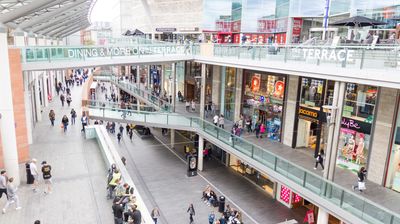
What is less clear is whether consumer behaviours are actually keeping pace with technological advances. There are signs that traditional channels are proving effective again for certain customer groups and physical retail continues to play an important, and in some cases increasingly important, role. This is particularly apparent in the premium sector, for purchases that need more thought or where customers want to see, feel and experience a product. The opportunity is in understanding how all channels can work harder at different points in the customer journey.
The decision is no longer about choosing between digital and physical retail but whether to invest in reaching new customers, improving the experience in store or giving existing customers more reason to return. It makes sense to make the most of existing footfall, so what has the biggest impact on conversion and repeat purchases and which experiences customers genuinely value, as opposed to adding services that increase costs without giving customers more reason to buy.
Balancing resilience with the cost of production
Supply chains are another area where retailers face difficult investment choices. Strengthening supply chains or bringing production closer to home could help retailers cope with global disruption, but labour shortages, skills gaps and higher costs make it economically challenging. The really interesting question is whether AI and automation could start to change that equation. Could AI-driven productivity gains one day offset higher UK labour costs?
These are not separate debates about technology, people or stores but choices about which investments address a clear business need, what the potential return is and where indecision could leave the business less competitive in the future.
I’m looking forward to diving into the detail with a panel of consumer experts and retailers in our ‘Retailer’s next bet: Where leaders are choosing to invest, adapt and compete’ session at FRP’s upcoming Retail Conference.
If you’d like to join us, you can find out more and register your interest here.
Subscribe to our latest insights by topic here

Quick read
What makes a retail property valuable today? The answer increasingly depends on who you ask
Traditionally, retail property conversations have centred on familiar fundamentals: location, rent, footfall and covenant. Those…

Quick read
Will AI drive real value improvement in insurance, or widen the gap between market leaders and the rest?
The insurance market is no different to the wider financial services market – everyone is seeking to enhance performance through AI…
Quick read
Retail’s message to the Chancellor – cut costs, create certainty
Retailers need targeted action from the Autumn Budget on employment costs, business rates and policy certainty to unlock investment in…
Quick read
The manufacturing cyber risk hiding in plain sight
After almost 17 years working in digital forensics and incident response, I'm still surprised by how often manufacturers underestimate…