
The recent dip in consumer confidence has added to an already unpredictable backdrop for retailers. They must give shoppers a reason to…
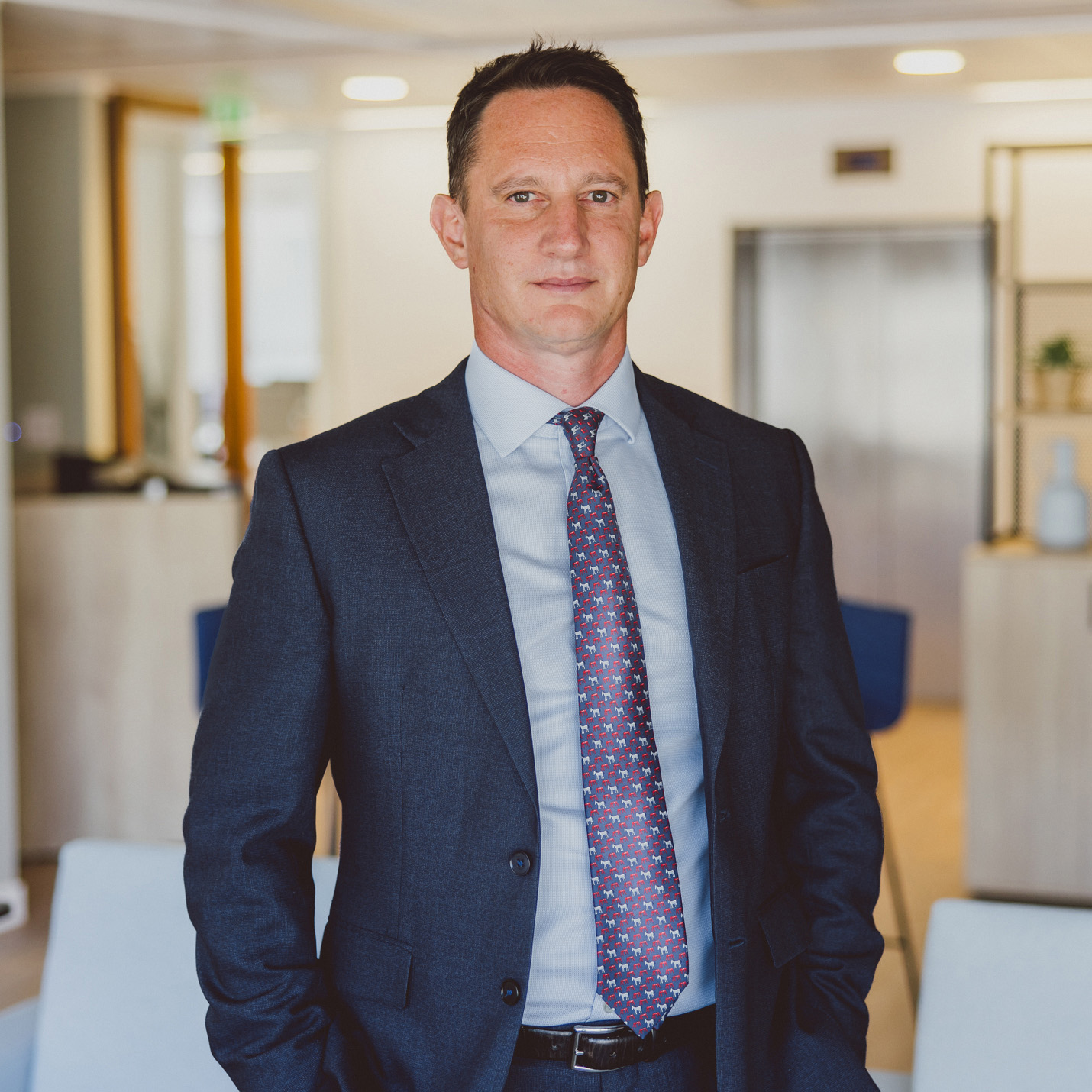

The recent dip in consumer confidence has added to an already unpredictable backdrop for retailers. They must give shoppers a reason to spend while protecting margins and managing costs. They also need to invest in the right stores, technology and operations to drive future growth. As FRP partner Ben Hughes highlighted in his opening remarks, operating successfully in this environment depends not just on the decisions businesses make, but the speed with which they make them.
Drawing on FRP’s The Decision Economy research, director Tom Rees highlighted that only 21.5% of retailers believe decisions are being made at the optimal speed. His session explored how leaders can bring greater speed and confidence to those choices.
This set the scene for FRP’s ‘Retail Conference 2026: Decisions Driving Retail’ held in London on 4 November, bringing together retailer, investor, lender and adviser perspectives on the choices shaping growth, strategy and competitive advantage.
How retailers are adapting and competing
Customers may be increasingly value-conscious, but it’s not just about price – quality, service, ease of shopping and experience are all part of the equation.
Panellist Katie Nagy de Nagybaczon, Partner & Co-head of Retail at law firm CMS, described the impact of the wider economy in creating a polarised market where affluent customers continue to seek experience, luxury and quality, while more price-sensitive shoppers focus on cost. This has left middle-market retailers under real pressure.
Understanding not just who your customer is but what they value across the whole purchasing journey is more critical than ever.
This was echoed by CEO Mike Clarke, whose premium British interiors brand, Neptune, has a very clear market, concentrated in the Home Counties. Stores let customers touch and feel products and experience the quality of service that builds loyalty and encourages repeat purchases. Neptune’s renewed investment in print marketing over the past 12 months is driving store visits, as digital marketing becomes less effective with the shift from search engine optimisation (SEO) to answer engine optimisation (AEO).
Technology was highlighted as an investment priority for building an agile, efficient business, with success measured by its effect on the customer journey and operations. Exploring AI’s potential to reshape retail and the practical and legal questions that come with it, Katie suggested that the transformational impact of AI is in fact underestimated currently. Agentic commerce raises questions about consumer protection: who is liable if an AI agent buys the wrong product?
For Mike, the first decision was where Neptune did not want to use AI. For him, getting the business basics and underlying data right has to come first to fully realise the operational efficiencies to be gained. His wider message was: “Be clear about the core of your brand and invest in that and how you acquire customers.”
The changing role of retail property
A strong tenant, a sought-after location and redevelopment potential offer different reasons to invest in the same retail property. An unconventional site may make sense for a particular brand, even if it falls outside the usual assumptions about prime retail space.
This is particularly true for outdoor brand Finisterre, whose head of retail, Joe Ward, drew laughter with his comparison that “online retail is like a dating app whereas going into a store is your first weekend in Paris – you can fall in love.” For him, the store is the physical manifestation of Finisterre’s brand. This shapes where they locate their shops in order to build a genuine community and attract cross-generational audiences to their instore events.
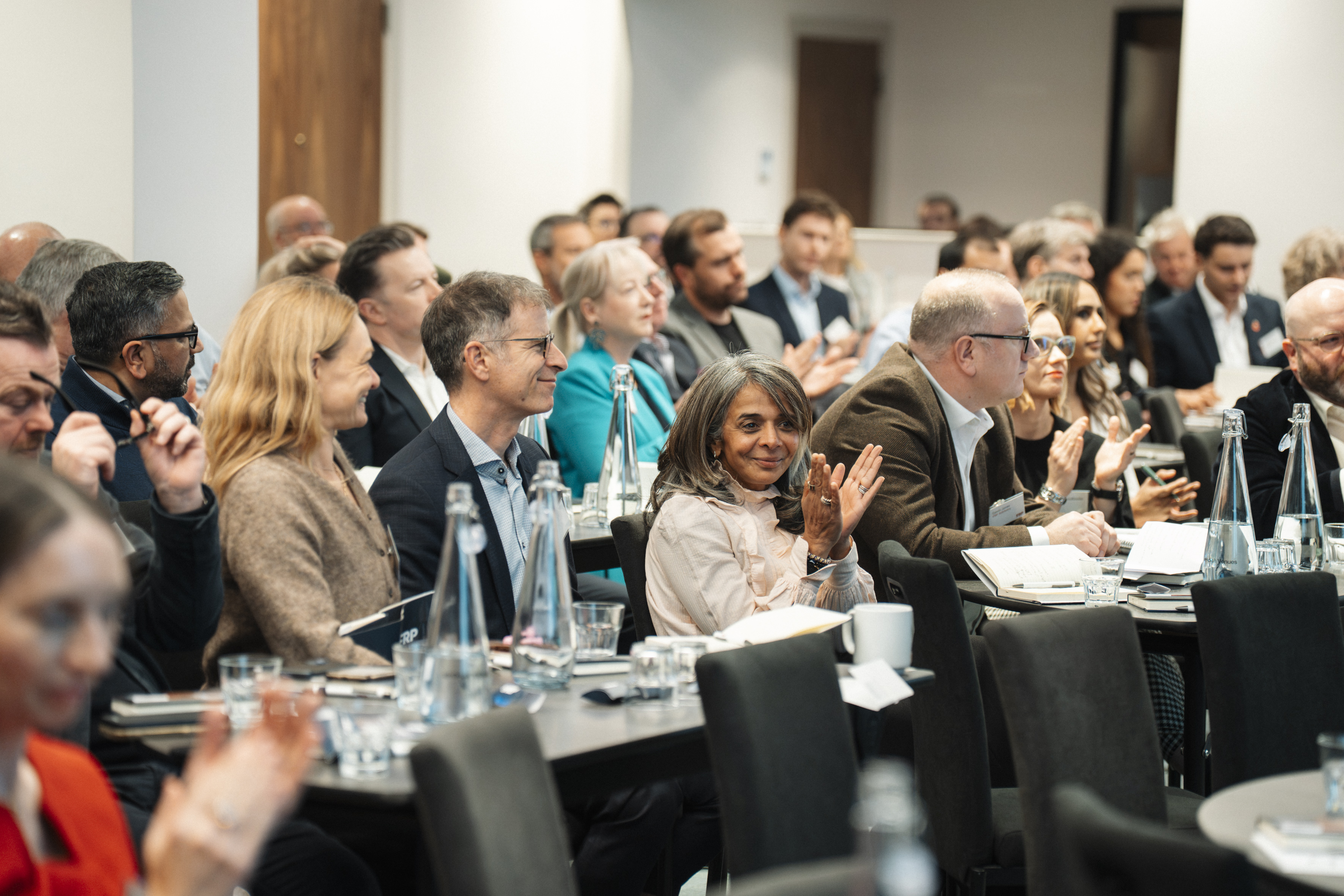
From the landlord’s perspective, Adam Coffer, Founder and MD of EPF Group, echoed that experiential retail is booming and stressed that each store needs a business plan tailored to its location, with its costs assessed individually.
He also argued for moving beyond the historic ‘us and them’ relationship between landlord and tenant, instead building a positive relationship that creates greater flexibility when either party needs to invest or adapt.
Nick Hopkinson of PPR Estates highlighted renewed interest in resilient high streets. When assessing investments, his team considers the location and building as well as the tenant, recognising that occupiers change over time. FRP’s Martin Farinola described lenders’ greater willingness to finance retail property compared to a few years ago, with strong footfall and alternative uses providing reassurance should a tenant fail.
Balancing immediate pressures with longer-term ambition
Decisions about individual stores or technologies are part of the wider boardroom challenge of balancing what the business needs now with what will keep it competitive in the years ahead.
In a conversation with Nick Stowe, CEO of Monsoon Accessorize, the audience got an inside view on decision-making. He highlighted a change in their priorities from protecting margins to pursuing growth. With costs more tightly managed, they can now decide where to invest next and how they fund that investment without debt. His experience brought the discussion back to the timing of decisions, recognising that more confidence in their post-Covid store investment and acting earlier on US investment would have allowed the business to seize growth opportunities sooner.
What makes a retailer worth backing?
To secure investment, retailers need a convincing business case that shows how they make money, how the numbers stack up and whether they can actually deliver on their plans.
Emily Bullman at JamJar Investments looks for three things: people, product and potential. She wants to see ambitious founders with a hungry team, a product or service that gives the customer something new, and a brand with a distinctive point of view. It also needs to stand the test of time – will the proposition still be relevant in five or 10 years’ time?
Now more open to physical stores, Emily does want to see a clear purpose for each investment. A pop-up designed to build awareness needs a different assessment from a store expected to generate profit. For store rollouts, she highlighted the need for a payback period of two to three years and checks and balances at each stage.
CEO Shaan Mahrotri of DSM agreed that, with demand flat, retailers need to give investors confidence in future performance and show they can make rapid decisions.
James Wright, partner at AgFe, offered a lender’s perspective focusing on a sound business model, sensible capital structure and resilience to short-term shocks. He made the distinction between investors needing confidence in the growth opportunity and lenders also needing to understand how the business will cope when conditions change.
Changing perceptions and winning new customers
Knowing what customers want is one thing, but then using that insight to change what you sell, how you position the brand and the experience you offer is another.
Our final conversation of the day was with Director of M&S Man, Mitch Hughes. His starting point was that “after the Covid lockdowns lots of men wanted to look sharper and ditch their hoodies.” The opportunity was to change perceptions of M&S menswear and reach a younger audience but without losing the trust that makes it a multigenerational brand. The focus was on improving the style and creating a simple ‘Look good, feel good’ brand ethos while building an emotional connection with actual customers and suppliers. At the new Oxford Street store, this meant moving away from the traditional grouping of products by category to helping customers build an outfit and bringing tailoring and grooming together.
Mitch’s key learning was to be bolder, quicker: make changes, learn when they do not work and create an environment where colleagues can challenge the thinking. Keeping close to the shop floor really matters too, with everyone spending seven days per year working in the business, not just visiting stores.
Reflecting on the day overall, Ben Hughes summarised: “Retailers cannot wait for trading conditions to improve before making their next move. Today’s speakers showed us that customers are changing, growth needs investment and delays can mean missed opportunities. The challenge is to understand your customer, know your numbers and act with confidence without waiting for certainty.
Whilst it isn’t the easiest trading environment, today’s panellists demonstrated the innovation, resilience and entrepreneurial spirit that make the UK retail industry something we should all be proud of.”
Subscribe to our latest insights by topic here

Quick read
Gate 2, Grid Queues and the 90GW BESS Backlog: Could Grid Reform Trigger a Wave of Energy Sector Restructuring?
The UK's energy transition has a problem, although perhaps not the one many expected. For years, developers struggled to secure grid…

Quick read
UK Budget 2026: Is economic reality reshaping the sustainability agenda?
The UK Budget 2026 signals a changing approach to environmental policy. Alexis Ioannidis, Director of Sustainability Services at FRP…

Quick read
Where AI investment could translate into measurable value
Our first article asked whether AI investment can genuinely shift value or simply widen the gap between stronger and weaker performers….

Quick read
Court filings: when early disclosure puts restructuring at risk
Many years ago, I lived and worked in Hong Kong. As a former colony of the British Empire, the insolvency legislation in Hong Kong was…